



 English (pdf)
 Article in xml format
 Article references

 Automatic translation
 Send this article by e-mail
 Cited by SciELO
 Similars in
SciELO

 Permalink

The interest in observing these places stems from the desire to construct an imaginary realm where one can dwell with the gaze. Rosario Assunto, in a brief text clarifying the concepts of territory, environment, and landscape (Assunto, 1980), states that landscape is the form through which humans have organized the raw matter of the territory into an environment. We inhabit a place when its form gathers and integrates fragments of meaning that would otherwise be lost. These fragments remain alive over time because they are renewed, assuming a new symbolic significance
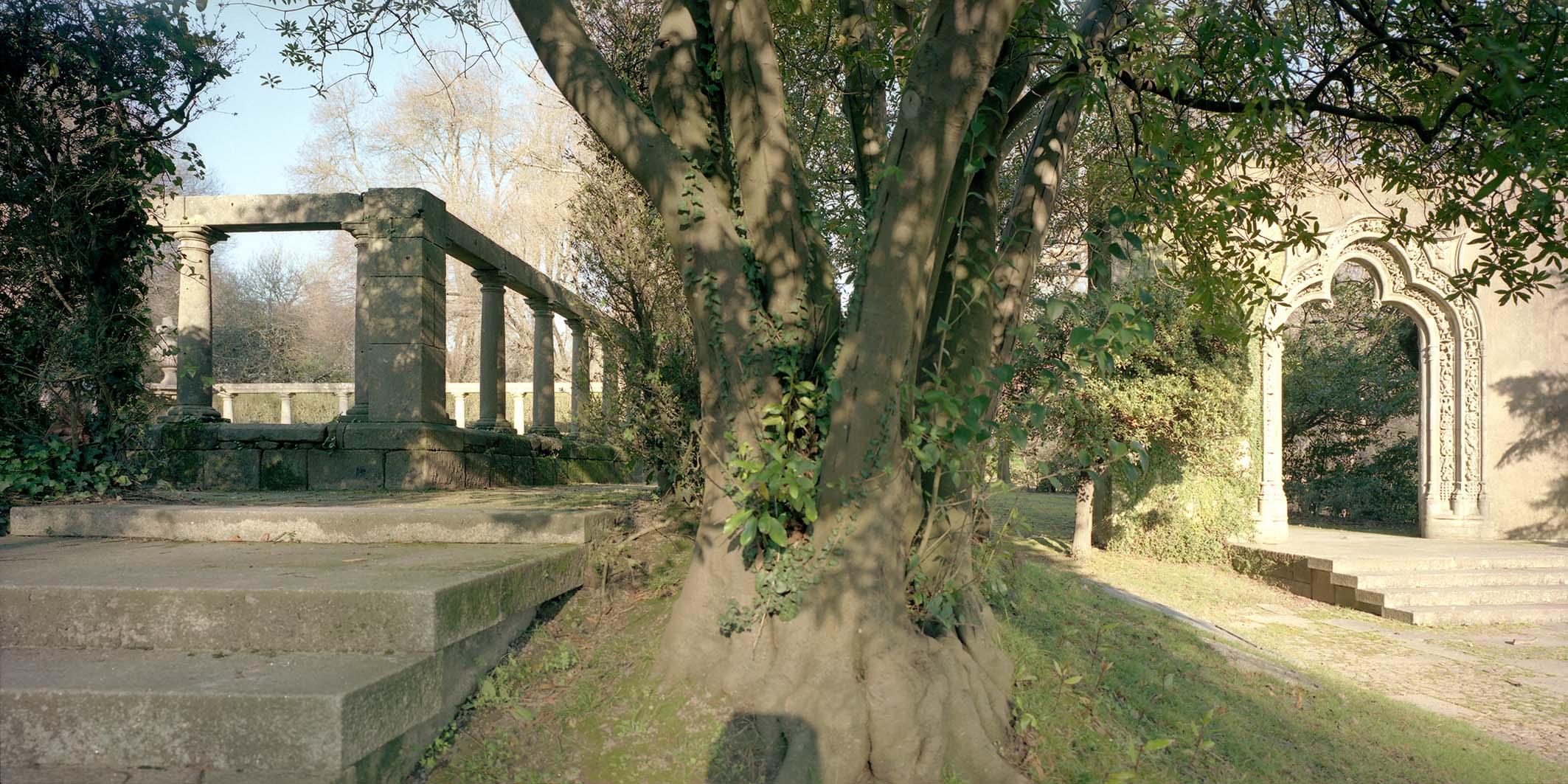
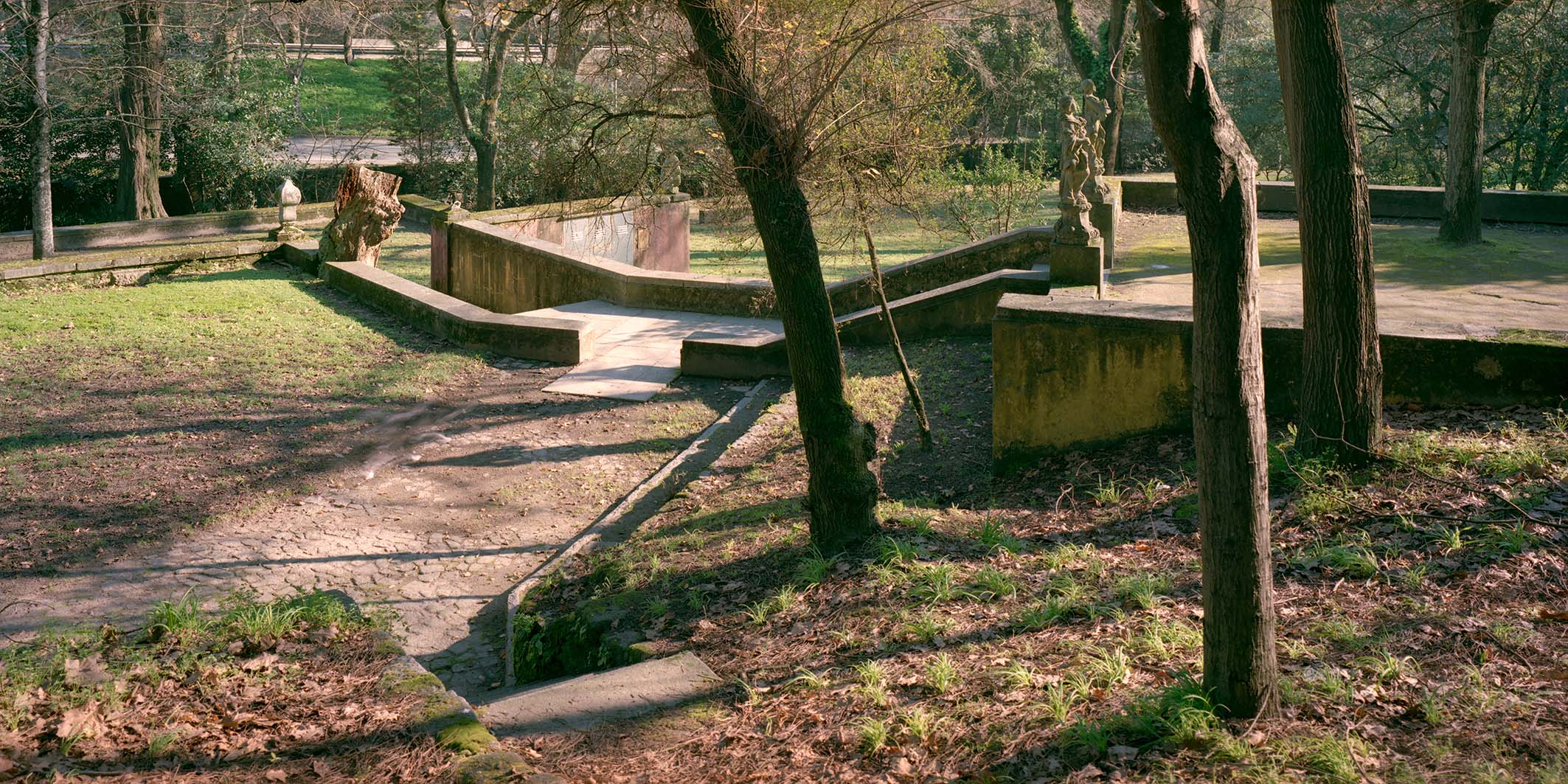
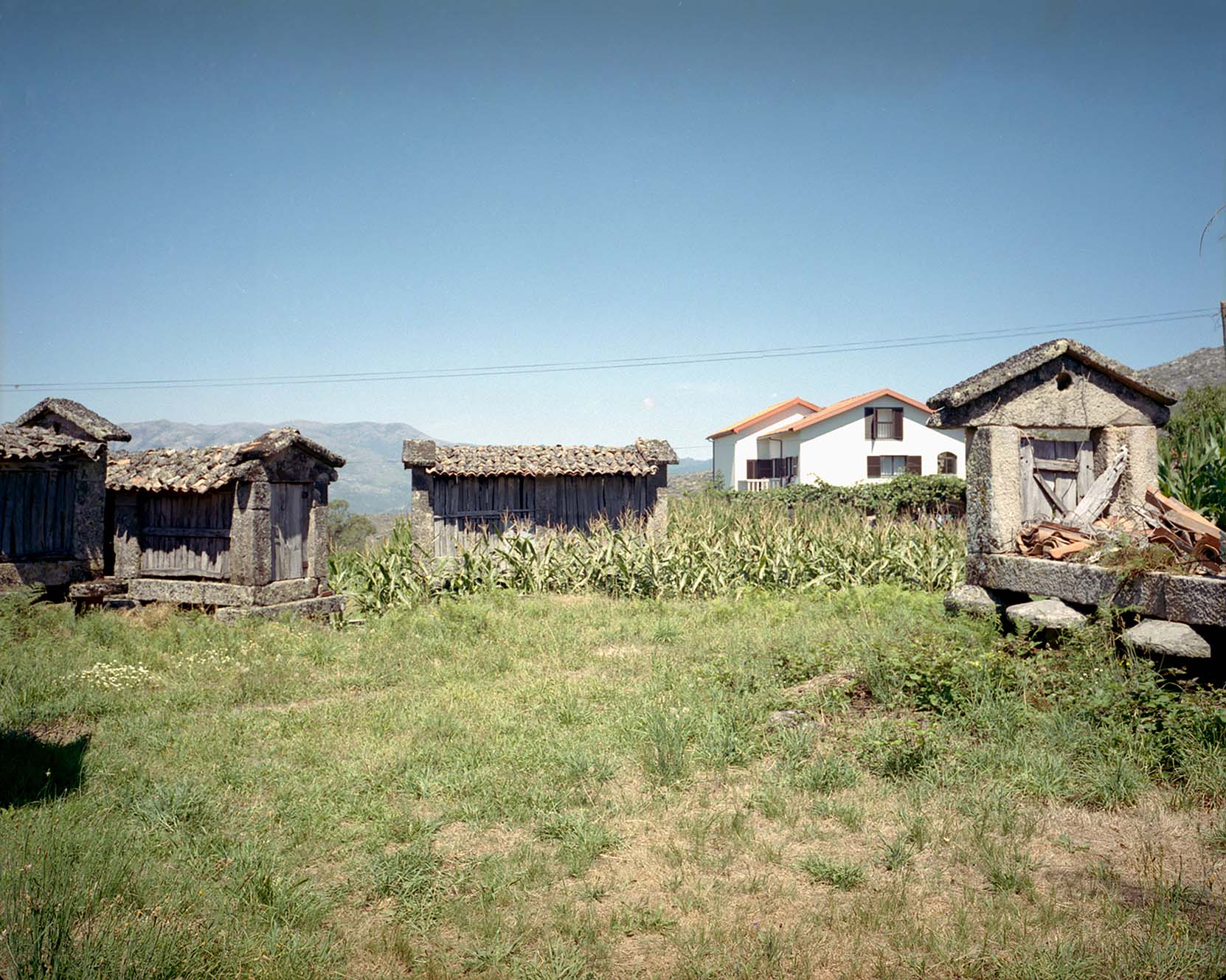
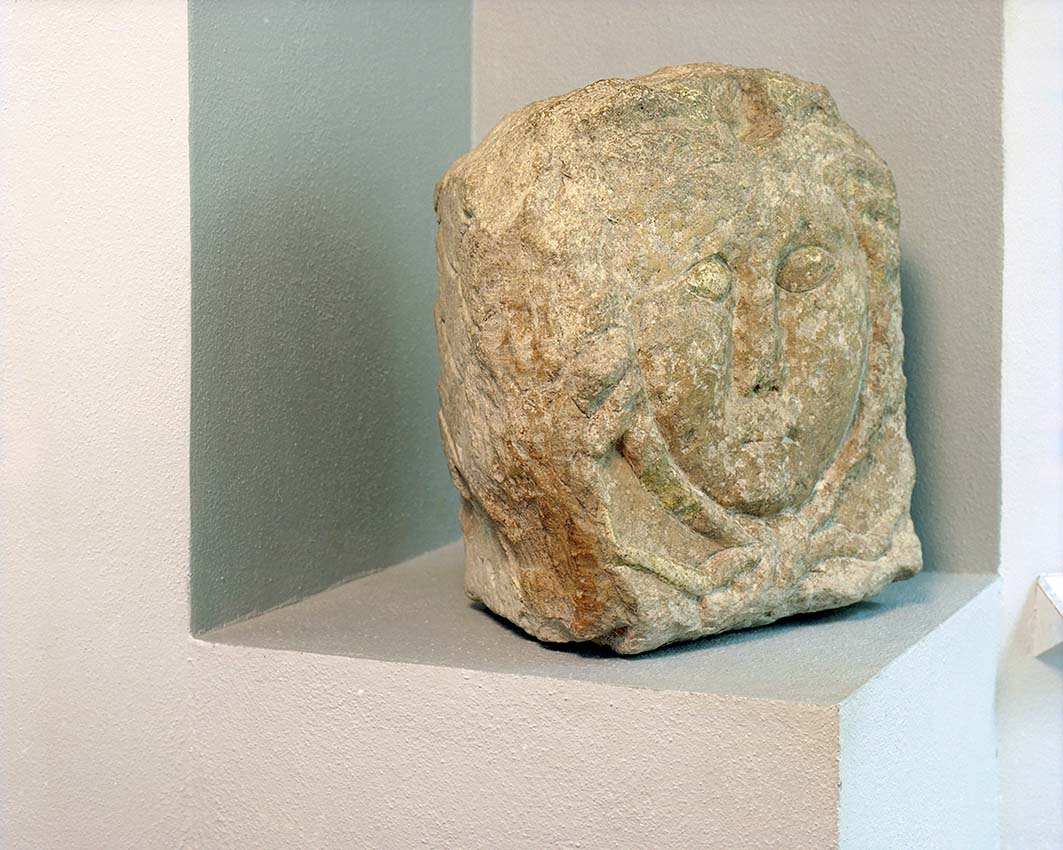
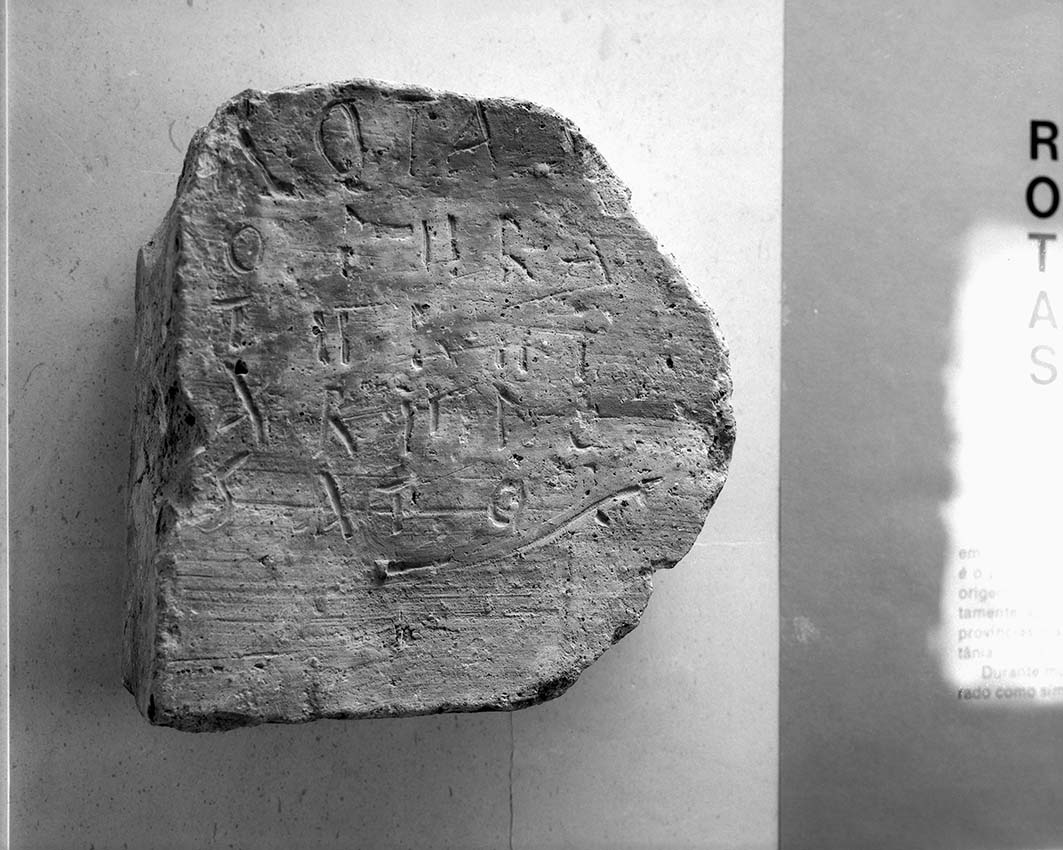
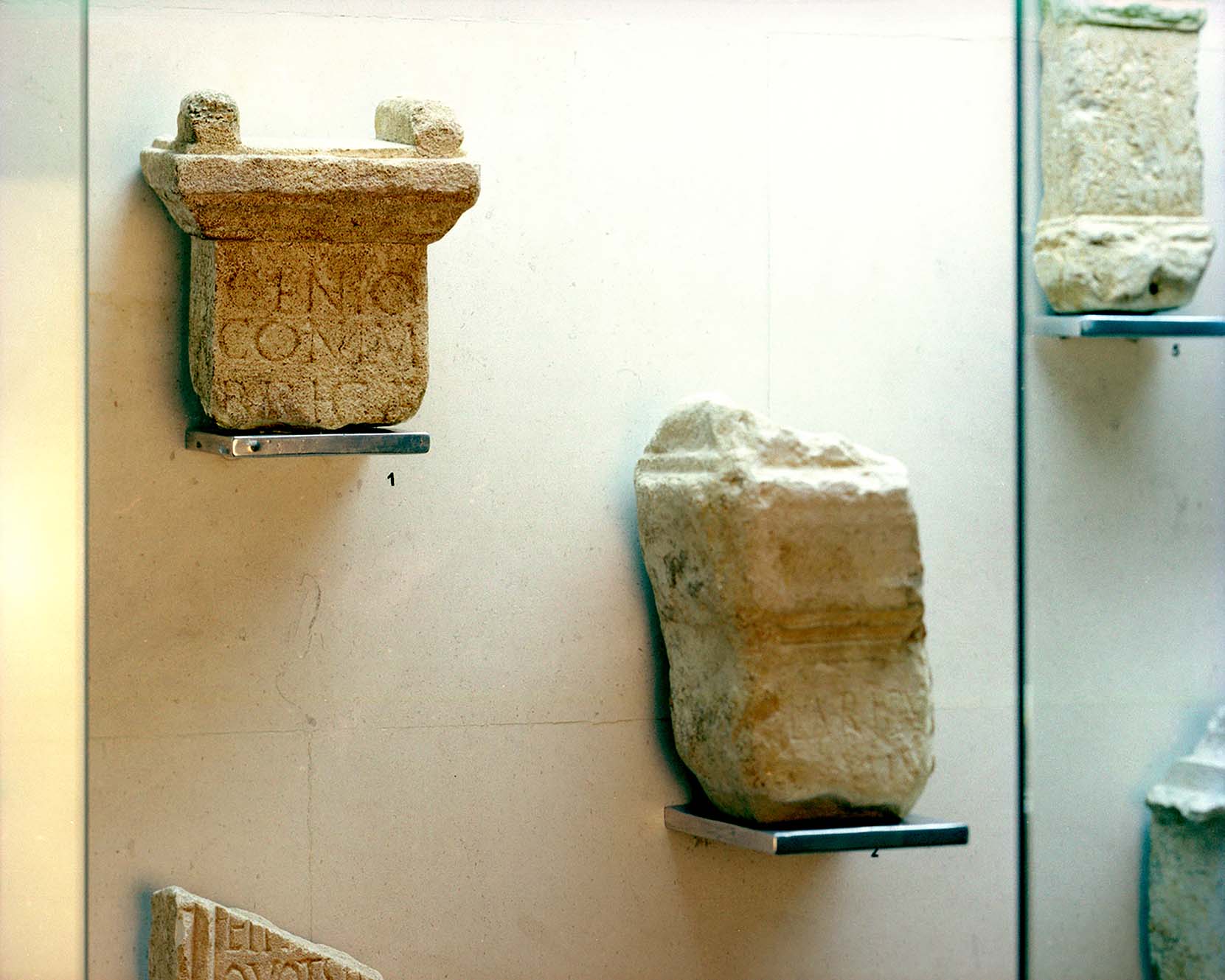
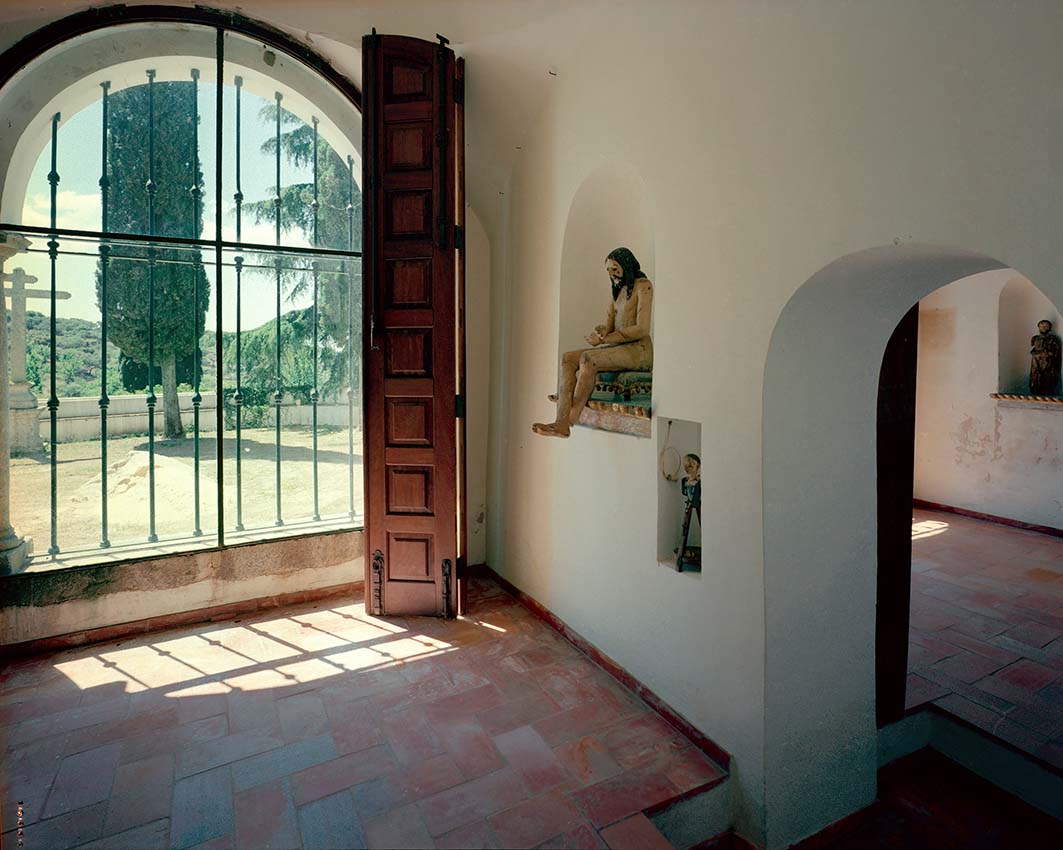
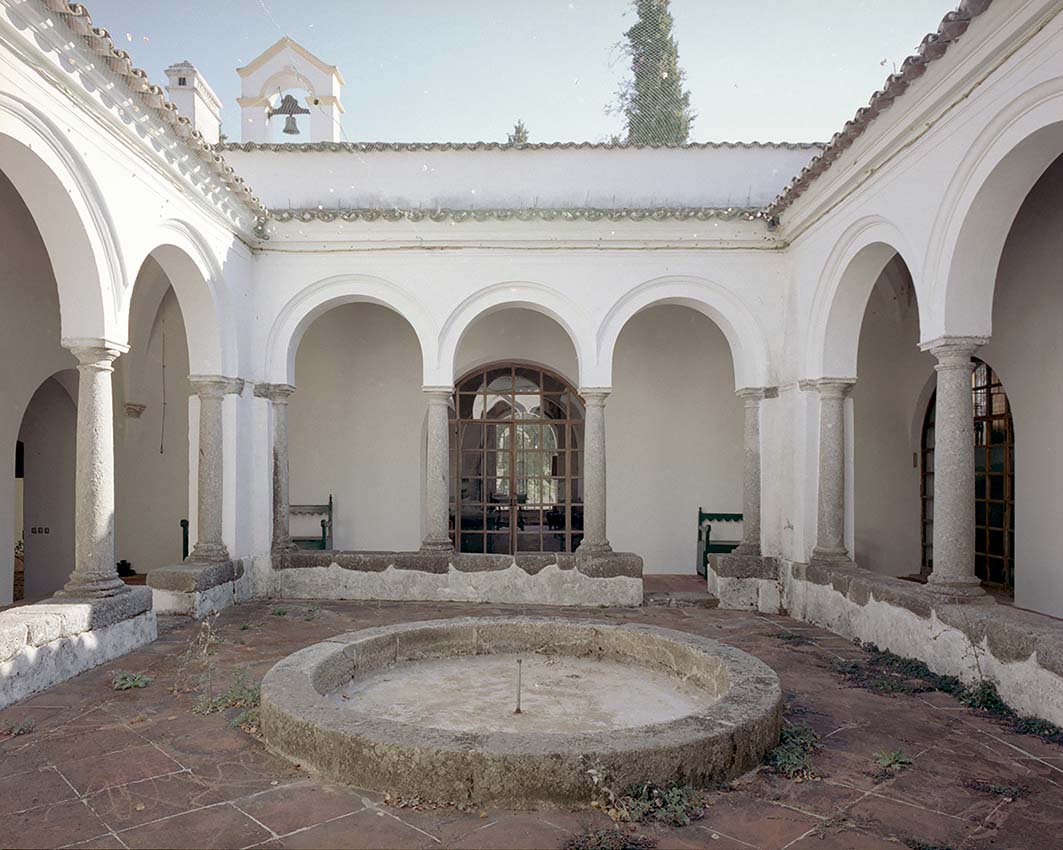
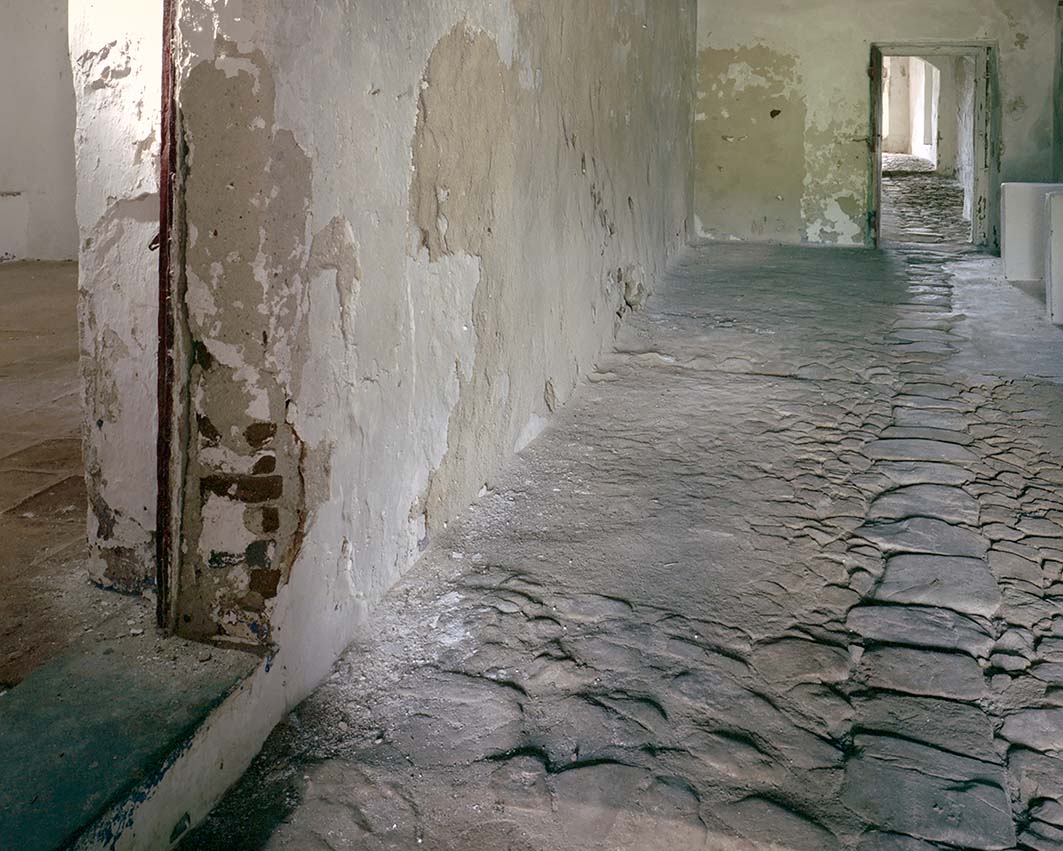
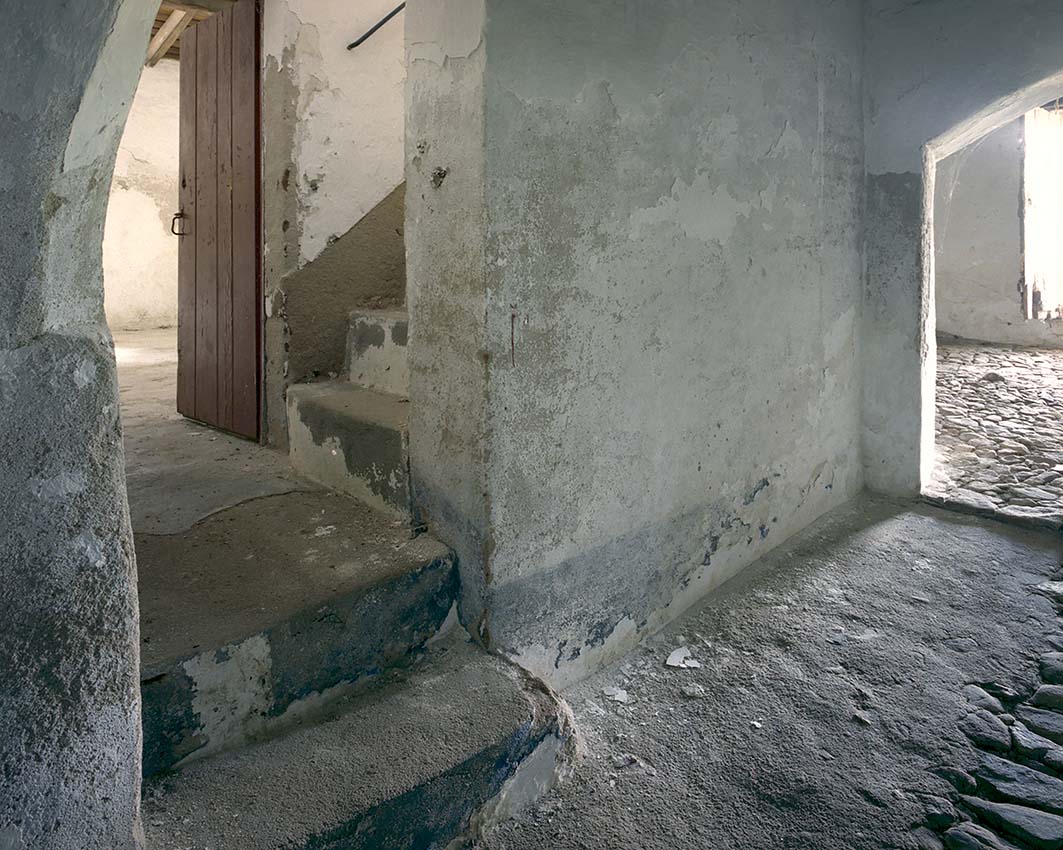
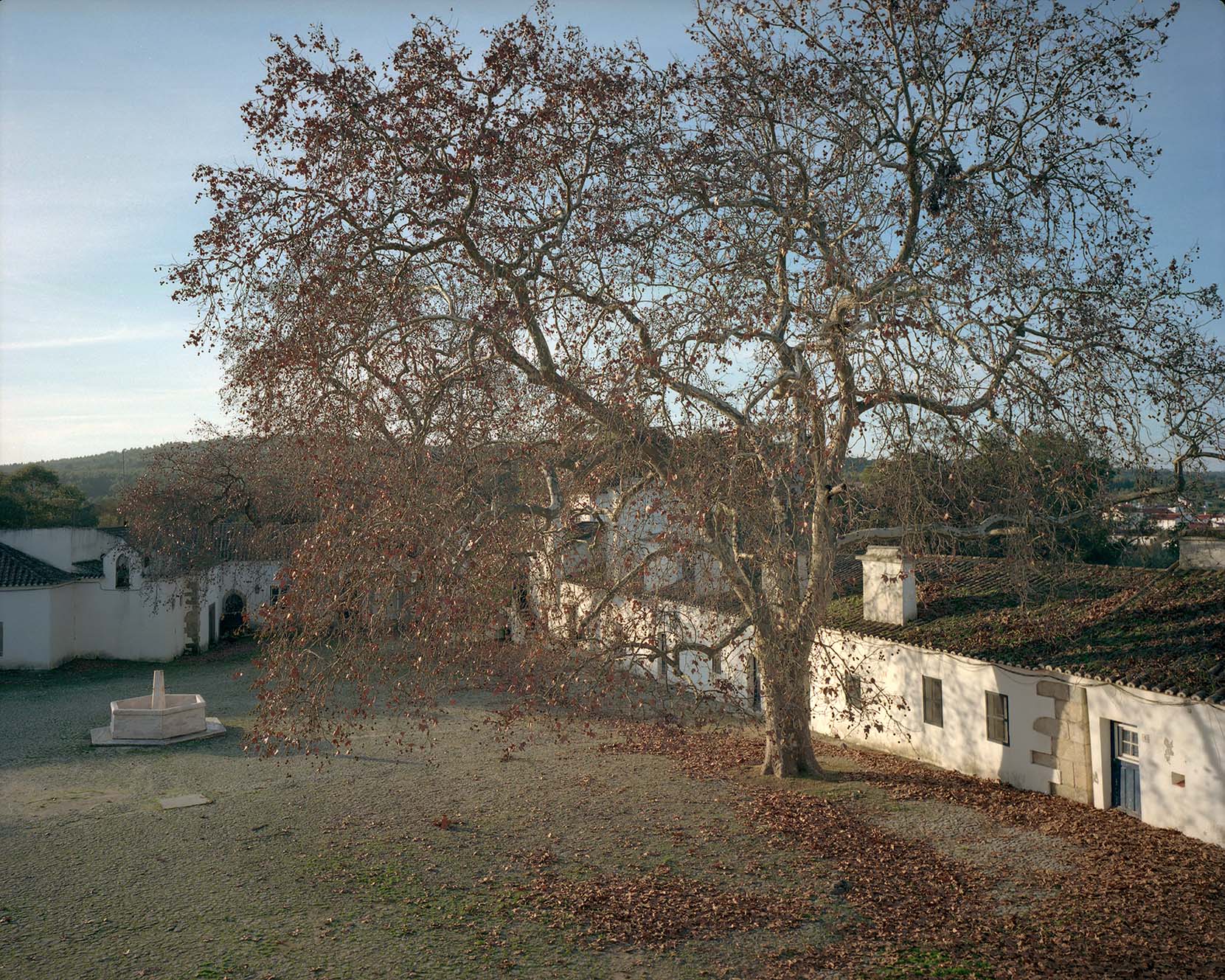
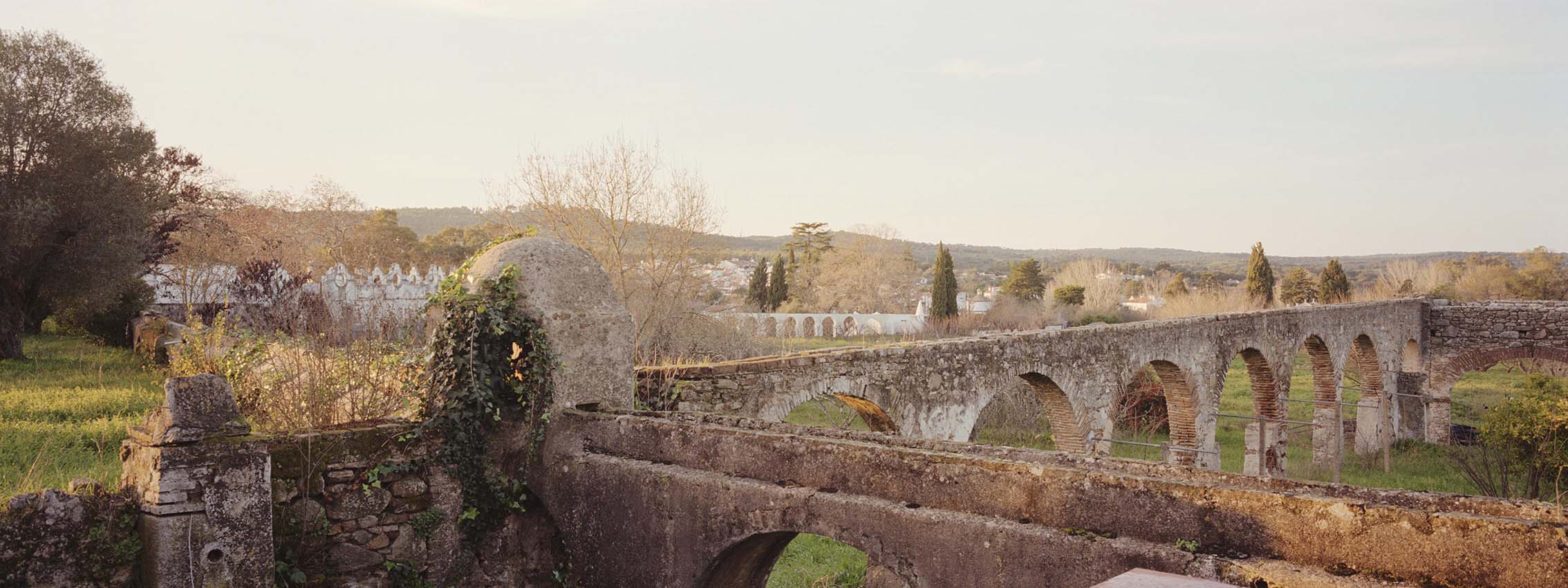
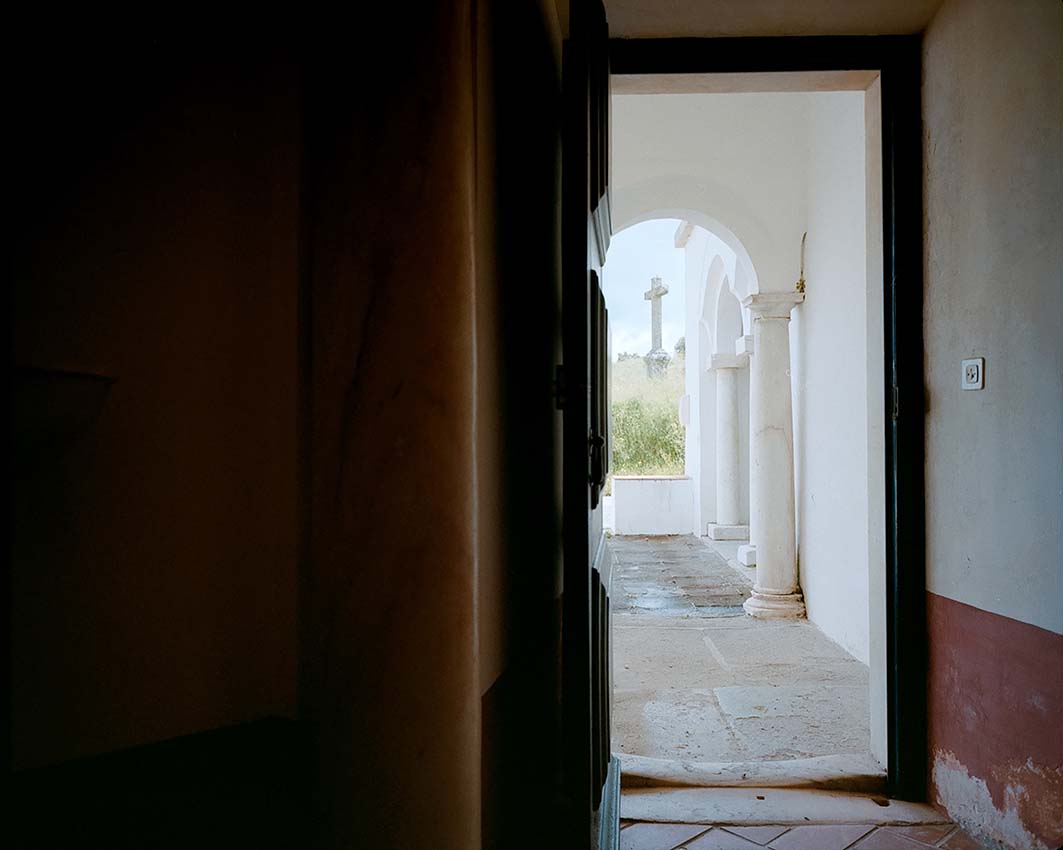
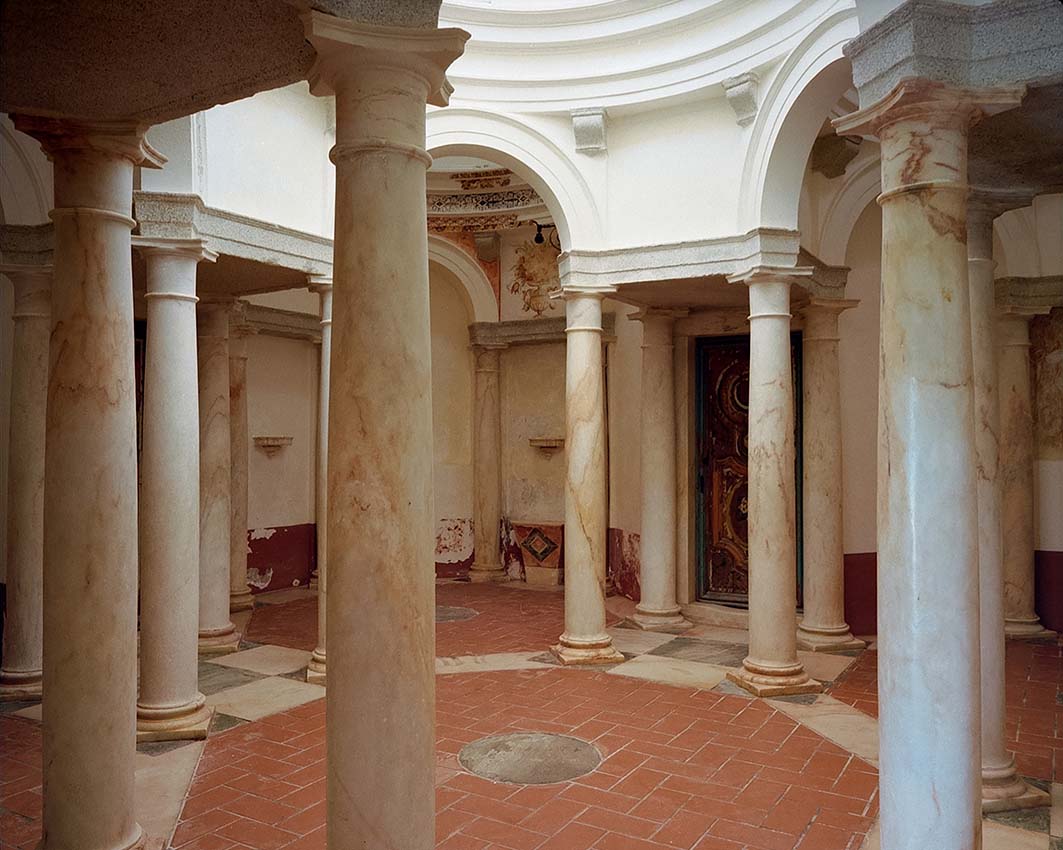
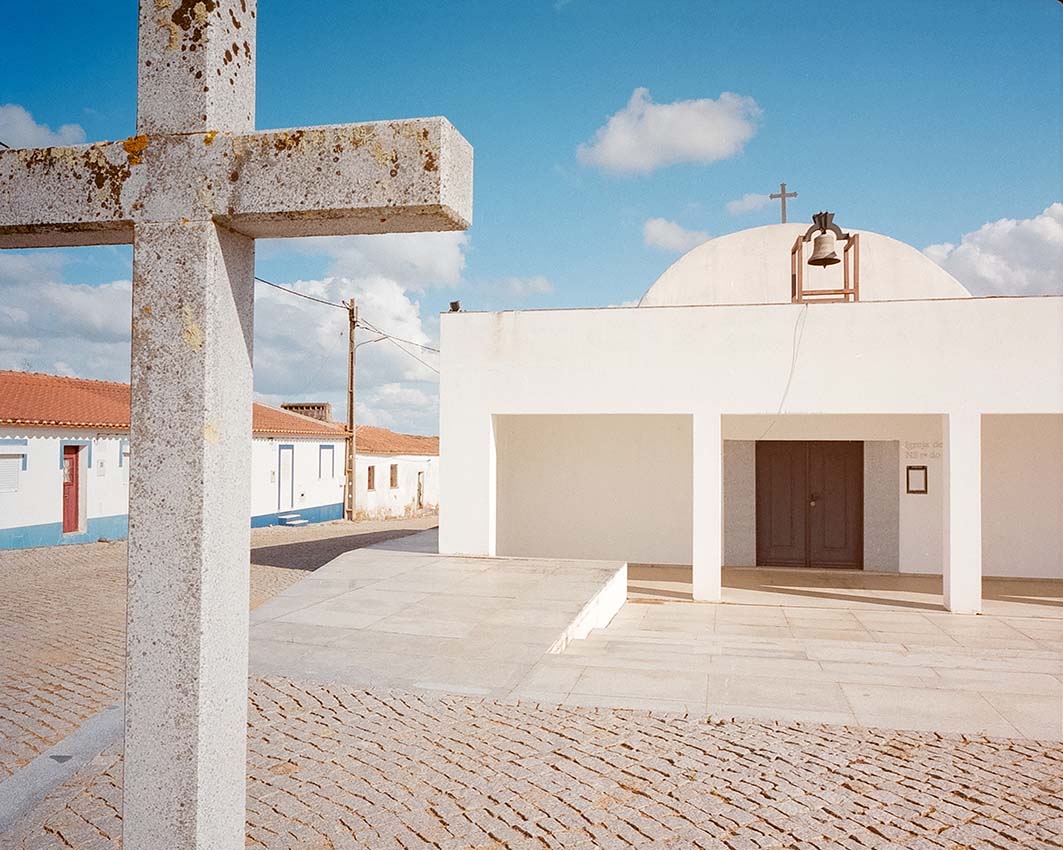
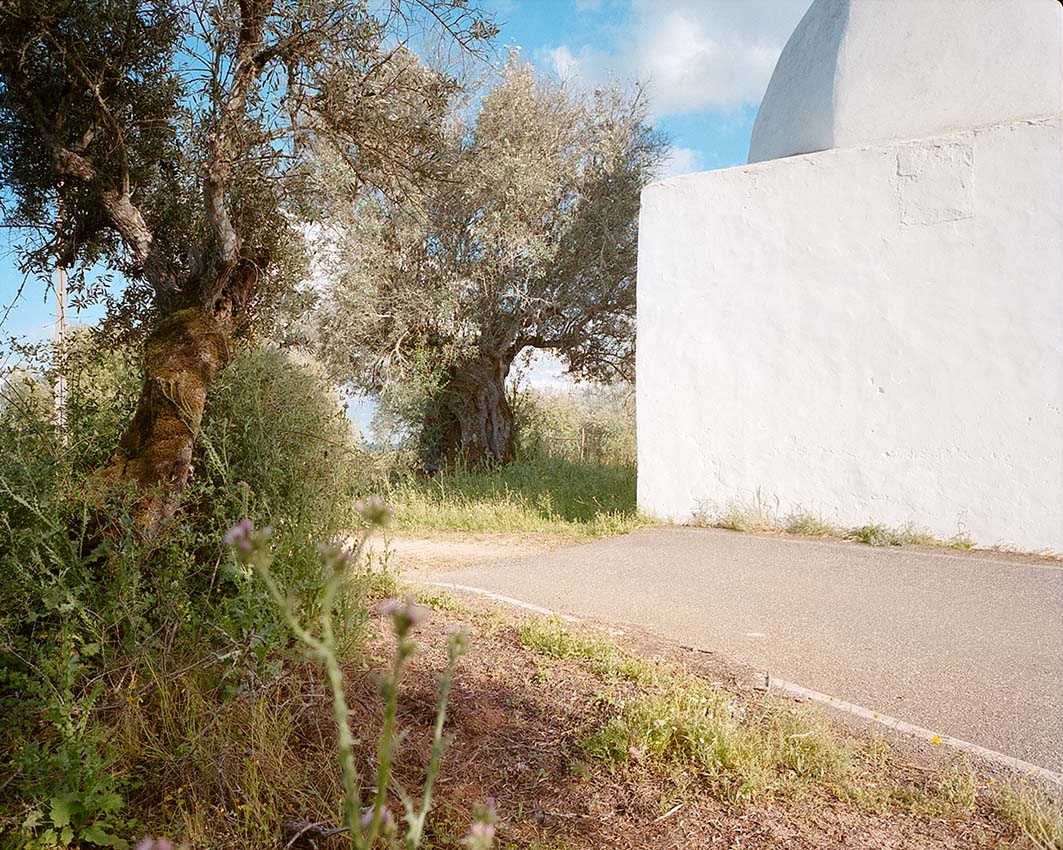
The photographic sequence explores a possible relationship between landscape and the sacred dimension. Among the examples, there is a brief reference to a garden by Fernando Távora-an exemplary case of spatial organization that takes shape through fragments and the experience of place. One observes the traces of a religious symbology that shaped the construction of places and landscapes in northern Portugal. Two examples of hermitages in the Alentejo and a sophisticated Renaissance architecture hidden within the Mitra garden are also highlighted. Finally, there is a reference to the architect Vítor Figueiredo, recognized for his ability to sense and translate the memory of a place into his projects.
Even while maintaining a natural survival instinct, we inhabit the landscape. It is precisely in the landscape, Assunto reminds us, that we can continue to keep watch-in the etymological sense of the word, meaning to preserve. Photographer Robert Adams, in the essay Truth and Landscape (Adams, 1995), writes that photographs are instruments of understanding, capable of revealing the transformation of one thing into another. They achieve this in a way akin to an epiphany, illuminating what is no longer before our eyes and what easily hides in memory. Just as within the walls of a garden, the boundaries of a frame can preserve the relationship between humans, nature, and the landscape.